
Inverter and Non-Inverter AC: Which One Should You Choose?
Published On: Wed Apr 09 2025
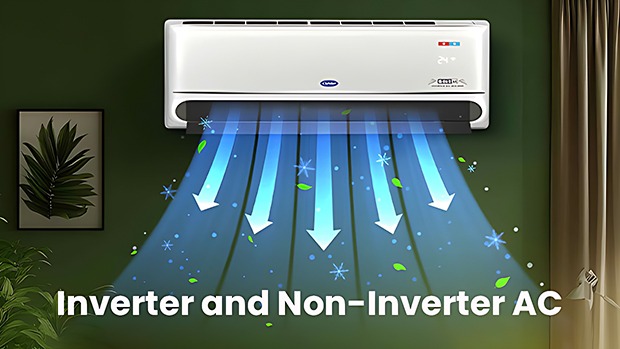
In this blog, we will take a detailed look at the differences between inverter and non-inverter ACs, their working mechanisms, benefits, drawbacks and which one is best suited for your needs.
What is an Inverter AC?
An inverter AC uses advanced technology that allows the compressor to regulate its speed based on the cooling requirements. Instead of running at a fixed speed, the compressor adjusts dynamically, making the AC more efficient and responsive to temperature changes. When you turn on an inverter AC, the compressor initially runs at full power to rapidly cool the room. Once the desired temperature is reached, the compressor slows down but continues running at a low, consistent speed. This prevents temperature fluctuations and reduces energy consumption.
How Inverter ACs Work
• Constant Temperature: Inverter ACs adjust compressor speed instead of turning it off, maintaining a consistent room temperature and improving overall comfort and cooling efficiency.
• Quieter Operation: Inverter ACs operate smoothly at lower speeds, reducing noise significantly compared to regular ACs that make noise during frequent compressor cycling.
• Longer Lifespan: Reduced wear and tear on the compressor due to steady operation increases the overall durability and lifespan of an inverter air conditioner.
• Faster Cooling: Inverter ACs run at higher speeds initially to cool quickly, then reduce speed to maintain temperature, ensuring fast and efficient performance throughout.
Benefits of Inverter ACs
• Energy Efficiency: Inverter ACs consume less electricity by adjusting compressor speed, making them more efficient and cost-effective than traditional non-inverter air conditioners.
• Consistent Temperature: These ACs maintain a steady indoor temperature without frequent fluctuations, ensuring a more comfortable environment throughout the day and night.
• Quieter Operation: Inverter ACs generate less noise as they avoid repeated start-stop cycles, making them ideal for peaceful bedrooms and focused workspaces.
• Durability: With reduced mechanical stress and smooth performance, inverter ACs experience less wear, which increases their durability and overall lifespan significantly.
• Eco-Friendliness: Lower energy usage results in reduced carbon footprint, making inverter ACs a more environmentally responsible and sustainable cooling solution.
What is a Non-Inverter AC?
A non-inverter AC, on the other hand, uses a fixed-speed compressor that either runs at full power or switches off entirely once the desired temperature is reached. This on-off operation cycle results in frequent power surges, making non-inverter ACs less energy-efficient. When you switch on a non-inverter AC, the compressor works at its maximum capacity until the desired temperature is achieved. Once the room is cool, the compressor shuts off. As the temperature rises again, the compressor starts running at full speed once more. This process repeats continuously, causing temperature fluctuations.
How Non-Inverter ACs Work
• Fixed Compressor Speed: Non-inverter ACs operate at a constant speed. The compressor turns on or off entirely, without adjusting speed based on temperature requirements.
• Temperature Fluctuations: These ACs cool until the set temperature is reached, then shut off. They restart when needed, causing noticeable temperature ups and downs.
• Higher Energy Consumption: Frequent starting and stopping of the compressor requires more electricity, leading to higher power bills compared to energy-efficient inverter models.
• Noisy Operation: The abrupt on-off cycling of the compressor creates more noise, making non-inverter ACs louder during operation, especially in quiet spaces.
• Shorter Lifespan: The repeated stress from stopping and starting can cause faster wear on components, reducing the overall lifespan of non-inverter air conditioners.
Benefits of Non-Inverter ACs
• Lower Upfront Cost: Non-inverter ACs are more budget-friendly to purchase, making them an ideal choice for buyers looking to reduce initial investment costs.
• Effective for Short-Term Use: These ACs work well for short durations or occasional use, especially in spaces that don't require constant temperature control or daily cooling.
• Easier Maintenance: With simpler components and fewer electronics, non-inverter ACs are often easier and cheaper to service, repair and maintain over time.
Key Differences Between Inverter and Non-Inverter ACs
When purchasing an air conditioner, one of the most significant decisions is choosing between inverter and non-inverter models. Both types offer cooling, but their internal mechanisms, energy efficiency and overall performance differ greatly. To make an informed decision, it is essential to understand the key differences between the two.
1. Technology and Working Mechanism
Inverter AC
An inverter AC uses advanced variable-speed technology. The compressor in an inverter AC regulates its speed according to the room temperature. When you turn on the AC, the compressor starts at full speed to quickly reach the desired temperature. Once the set temperature is achieved, the compressor does not shut off but rather reduces its speed and continues running at a low and steady rate. This dynamic speed adjustment ensures that the AC consumes only the required amount of power to maintain the temperature, making it more efficient.
Non-Inverter AC
A non-inverter AC, on the other hand, works on a fixed-speed mechanism. The compressor either runs at full power or turns off entirely once the desired temperature is reached. This on-off cycle continues throughout the operation. When the temperature rises, the compressor turns back on at full speed. Since the compressor is either operating at maximum capacity or not at all, this results in temperature fluctuations and higher energy consumption.
2. Energy Efficiency
Inverter AC
One of the most significant advantages of inverter ACs is their energy efficiency. Since the compressor continuously adjusts its speed to maintain the desired temperature, it consumes less power over time. By avoiding frequent power surges, inverter ACs reduce electricity bills. Inverter technology can save up to 30-50% more energy compared to non-inverter models, making them an excellent long-term investment.
Non-Inverter AC
Non-inverter ACs are less energy-efficient. The constant start-stop mechanism of the compressor causes frequent power surges, resulting in higher electricity consumption. Although they cool effectively, their inefficient power usage leads to increased electricity costs over time. For users who run their ACs for long hours, the difference in energy consumption between inverter and non-inverter models can lead to substantial cost differences on monthly bills.
3. Cooling Performance
Inverter AC
Inverter ACs provide consistent and precise cooling. The compressor dynamically adjusts its speed to keep the temperature stable. Once the desired temperature is reached, the AC maintains it without noticeable fluctuations. Because of this continuous regulation, the room remains comfortable with minimal temperature variation. This makes inverter ACs particularly effective in regions with extremely hot or humid climates, where maintaining a steady temperature is crucial.
Non-Inverter AC
Non-inverter ACs offer less consistent cooling. The compressor’s on-off cycles create temperature fluctuations. When the compressor is running, the room cools quickly, but once it turns off, the temperature gradually rises until the compressor kicks in again. This creates a yo-yo effect where the room temperature repeatedly drops and rises. As a result, the cooling experience is less comfortable compared to the smooth and steady cooling of an inverter AC.
5. Durability and Lifespan
Inverter AC
Inverter ACs generally have a longer lifespan due to their smoother operation. The gradual regulation of the compressor reduces mechanical stress, leading to less wear and tear. This makes them more durable over time. Additionally, inverter ACs are built with more advanced technology, which enhances their performance and reliability.
Non-Inverter AC
Non-inverter ACs experience faster wear and tear due to their frequent on-off cycles. The repeated power surges put stress on the compressor, shortening its lifespan. Over time, this can lead to higher maintenance costs and a reduced overall lifespan compared to inverter models.
6. Cost Considerations
Inverter AC
Inverter ACs have a higher upfront cost compared to non-inverter models. This is due to their advanced technology and energy-efficient design. However, they offer long-term savings through lower electricity bills and reduced maintenance costs. For individuals who use their AC regularly, the energy savings over time often offset the higher initial purchase price, making inverter ACs a more economical option in the long run.
Non-Inverter AC
Non-inverter ACs are cheaper upfront, making them a budget-friendly option for people with limited spending capacity. However, their higher power consumption leads to higher electricity bills. For long-term use, non-inverter ACs often turn out to be more expensive due to their inefficiency and higher operating costs.
7. Eco-Friendliness
Inverter AC
Inverter ACs are more environmentally friendly due to their lower energy consumption. Many inverter models also use eco-friendly refrigerants, reducing their carbon footprint. Their efficient power usage makes them a greener choice, contributing to energy conservation.
Non-Inverter AC
Non-inverter ACs consume more electricity, leading to higher carbon emissions. The frequent on-off cycles result in greater energy waste, making them less eco-friendly. As global energy conservation becomes a priority, inverter ACs are increasingly seen as the sustainable option.
8. Suitability for Different Needs
Inverter AC
• Inverter ACs are best suited for frequent and long-term use, offering better energy efficiency and comfort for those who use ACs regularly.
• They are ideal for larger spaces or high ambient temperatures due to their consistent cooling performance.
• Perfect for people seeking long-term cost savings, thanks to their lower electricity consumption over time.
• Their quieter operation also makes them suitable for noise-sensitive areas like bedrooms and workspaces.
Non-Inverter AC
• Non-inverter ACs are better suited for short-term or occasional use, especially when the upfront budget is limited.
• They can effectively cool smaller rooms without needing continuous temperature regulation, making them efficient for compact spaces.
• These models appeal to budget-conscious buyers looking for a lower initial purchase cost despite higher long-term expenses.
When comparing inverter and non-inverter ACs, the inverter models clearly offer better energy efficiency, consistent cooling, quieter operation and longer durability. Although they have a higher initial cost, the reduced electricity bills and lower maintenance expenses make them a smarter investment for regular and long-term use. Non-inverter ACs, while cheaper upfront, are less efficient and generate higher electricity costs over time. They may be suitable for occasional use or smaller spaces where cooling demands are minimal. Ultimately, the right choice depends on your needs, budget and usage patterns. For individuals seeking long-term comfort, cost savings and energy efficiency, an inverter AC is the clear winner.
When Should You Choose an Inverter AC?
• Ideal for long daily usage, offering better efficiency and consistent performance over extended hours without overheating or frequent cycling.
• Helps reduce electricity bills by consuming only the energy required to maintain a stable temperature, thanks to its variable-speed compressor.
• Provides steady and uninterrupted cooling with minimal temperature fluctuations, ensuring greater comfort in all weather conditions.
• Operates quietly, making it well-suited for bedrooms, offices and other spaces where noise levels should be low.
• A smart investment for users who prioritize comfort, energy savings and long-term durability in their cooling solution.
When Should You Choose a Non Inverter AC?
• Suitable for users who require an AC only occasionally or for short-term use, such as during peak summer months or in guest rooms.
• Ideal for those with a tight budget, as non-inverter models are more affordable upfront compared to inverter ACs.
• A good choice for temporary living situations where long-term energy savings and durability are not a priority.
• Acceptable for users who are comfortable with slight temperature fluctuations and do not mind a bit of extra noise during operation.
• Practical for smaller rooms or locations where the AC is not expected to run for extended periods each day.
While both inverter and non-inverter ACs have their own distinct advantages, inverter ACs are generally the superior choice in most scenarios. Their advanced technology allows them to regulate compressor speed based on cooling demand, which leads to significantly better energy efficiency. This translates into noticeable savings on electricity bills, especially for users who run their ACs frequently or for extended hours. In addition to saving energy, inverter ACs provide consistent and stable cooling, eliminating the discomfort caused by temperature fluctuations. Their quieter operation makes them ideal for environments where noise can be disruptive, such as bedrooms, study rooms, or office spaces. Another notable advantage is their durability. Since inverter ACs avoid the frequent start-stop cycles that wear out components faster, they tend to have a longer lifespan and require less maintenance over time. While the initial investment is higher, the long-term benefits far outweigh the upfront costs, making them a smart and sustainable option for both homeowners and businesses.
However, if your needs are minimal, such as using the AC occasionally or in a small room and you have a limited budget, a non-inverter AC can still serve the purpose. Ultimately, the best choice depends on your usage patterns, budget constraints and long-term expectations.
Electronics
Exploring Types of Air Conditioners: Perfect Fit for You
Electronics
Best Semi-Automatic Washing Machines for Efficient & Budget-Friendly Laundry for 2025
Electronics
Best Top Load Washing Machines for Effortless Laundry in 2025
Electronics
Best Front Load Washing Machines of 2025: The Ultimate Guide to Efficiency, Features & Performance

Beauty & Grooming
10 Best Hair Oil in India for Strong and Healthy Hair in 2025

Electronics
Best Smartwatches Under 5000 in 2025

Electronics
Best Laptops under 70000 in India in 2025

Electronics
The Ultimate Guide to the best Air Conditioners in India (2025)

Beauty & Grooming
Best Face-Wash for Men updated for 2025

Fashion & Lifestyle
Bella Vita Perfumes: A Scent for Every Occasion

General
10 Best Telegram Loot Deal Channels for Exclusive Deals and Discounts in 2025

Beauty & Grooming
Best Sunscreens in India for Ultimate Sun Protection
Electronics
Beating the Heat with Top 10 Air Conditioner Brands in India
Electronics
Best Earbuds Under 3000: Top Budget Picks for Music, Calls & Gaming (Updated for 2025)

Electronics
Best Washing Machine in India with Features & Prices (Updated for 2025)
Electronics
Best Refrigerators in India: Top Picks for Every Home in 2025

Mobile
Best Mobile Brands in India: Top Choices Revealed for 2025

Electronics
Best Gaming Laptop Computer: Top Picks for 2025
Health & Supplements
Best Weight Gain Protein Supplements: The Ultimate Guide to Bulking Up Safely in 2025

Beauty & Grooming
Latest Mehndi Designs in 2025

General
Holi Celebration Ideas

General
The Ultimate Guide to Influencer Marketing

General
10 Best Coupon Apps: Unlock Incredible Savings in India

Electronics
Best Laptops under 50000

Mobile
Top 10 Best Phones Under 20000 for 2025

Health & Supplements
Top Vitamin Supplements for Men

Fashion & Lifestyle
Top 10 Best Indian Apparel Brands You Must Try

Beauty & Grooming
Grooming Tips for Men: Elevate Your Style Game

Subscription
Top 10 Cashback Apps in India to maximize your savings in 2025

Travel & Accessories
Essentials things for Every trip and Packing list

Fashion & Lifestyle
Types of Jeans for Men: Find Your Perfect Fit

Watches
Types of Watches : Timepieces for Every Style

Beauty & Grooming
Best Face Creams for all Skin Types: Find the Perfect One for You

Footwear
Best Sneaker Brands in India

Fashion & Lifestyle