
Best Face Creams for all Skin Types: Find the Perfect One for You
Published On: Mon Jan 20 2025
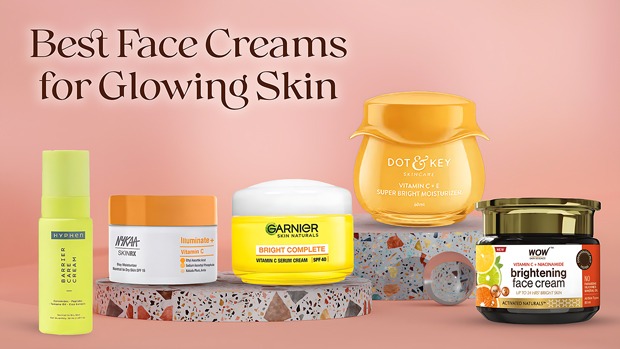
1. Anti-Aging Cream
Anti-aging cream is a skincare essential designed to combat signs of aging such as wrinkles, fine lines and loss of elasticity. Formulated with powerful ingredients like retinol, peptides, hyaluronic acid and antioxidants, it helps boost collagen production, hydrate deeply and improve skin texture. Regular use of anti-aging creams can reduce the appearance of age spots and promote a youthful glow. Many formulations also include SPF to protect against sun damage, a leading cause of premature aging. Ideal for mature skin, these creams work best when combined with a consistent skincare routine, enhancing firmness and revitalizing the skin over time.
• Best for: Reducing fine lines and wrinkles
• Key Ingredients: Retinol, Peptides, Vitamin C
• Additional benefits: Enhances skin regeneration, Boosts collagen, Improves skin firmness and elasticity
2. Brightening Cream
Brightening creams are designed to improve skin tone and texture by reducing dark spots, hyperpigmentation and uneven skin tone. They often contain ingredients like Vitamin C, niacinamide or licorice extract, which work to lighten discoloration and enhance radiance. These creams help to create a more luminous and youthful complexion, leaving the skin looking brighter, smoother and more even, while also providing hydration and protection from environmental stressors.
• Best for: Dull or uneven skin tone
• Key Ingredients: Niacinamide, Kojic acid, Licoricey extract
• Additional Benefits: Protects against pollution, Reduces dark circles, Promotes radiance and Minimizes acne scars
3. Night Cream
Night cream is a vital part of a nighttime skincare routine, designed to repair and rejuvenate the skin while you sleep. Packed with nourishing ingredients like retinol, peptides, hyaluronic acid and essential vitamins, it supports skin regeneration and hydration. Unlike day creams, night creams are thicker and richer, providing intense moisture and targeting concerns like wrinkles, uneven skin tone and dullness. They help boost collagen production, improve elasticity and reduce signs of aging. By morning, the skin feels softer, plumper and refreshed. Regular use of a night cream ensures a radiant and healthy complexion, ready to face the day ahead.
• Best for: Overnight skin repair
• Key Ingredients: Retinoids, Shea butter, Plant oils
• Additional benefits: Anti-aging benefits, Boosts Skin repair, Reduces fine lines and Wrinkles
4. Day Cream
Day creams are lightweight moisturizers designed to hydrate and protect the skin throughout the day. They often contain SPF to shield the skin from harmful UV rays, along with antioxidants and vitamins that help prevent early signs of aging and environmental damage. Day creams provide essential hydration, create a smooth base for makeup and enhance the skin’s overall texture, leaving it feeling refreshed and nourished throughout the day.
• Best for: Lightweight hydration during the day
• Key Ingredients: SPF, Antioxidants, Aloe vera
• Additional Benefits: Boosts radiance, Improves skin texture, Anti-pollution protection, Hydrates and Moisturizes
5. Acne Cream
Acne cream is a targeted treatment designed to reduce breakouts and promote clearer skin. Packed with active ingredients like salicylic acid, benzoyl peroxide and sulfur, acne creams work by unclogging pores, reducing inflammation and killing acne-causing bacteria. They help minimize the appearance of pimples, blackheads and whiteheads while preventing future breakouts. Regular use can lead to smoother skin and a more even complexion. Some acne creams also include soothing agents like aloe vera or tea tree oil to reduce redness and irritation. Ideal for acne-prone or oily skin, these creams are an essential part of any acne treatment regimen.
• Best for: Blemish-prone skin
• Key Ingredients: Salicylic acid, Benzoyl peroxide, Tea tree oil
• Additional Benefits: Promotes healing, Prevents future breakouts and Soothes sensitive skin
6. Sensitive Skin Cream
Sensitive skin creams are designed to calm, hydrate and protect delicate skin prone to irritation or redness. These creams are typically fragrance-free and contain gentle ingredients like aloe vera, chamomile and ceramides that soothe and restore the skin’s natural barrier. They help alleviate discomfort from conditions like dryness, rashes and inflammation, offering relief without causing further irritation, making them ideal for those with sensitive or reactive skin.
• Best for: Calming irritation and redness
• Key Ingredients: Chamomile, Oat extract, Allantoin
• Additional Benefits: Reduces redness, Boosts skin resilience, Improves skin texture and Supports skin immunity
7. Sun Protection Cream (SPF Cream)
Sun protection creams, also known as SPF creams, are formulated to shield the skin from harmful ultraviolet (UV) rays, which can cause sunburn, premature aging and increase the risk of skin cancer. These creams contain varying levels of SPF (Sun Protection Factor) to protect against both UVA and UVB rays. They help prevent skin damage, maintain an even skin tone and provide essential hydration, making them a crucial part of daily skincare routines.
• Best for: Shielding skin from UV rays
• Key Ingredients: Zinc oxide, Titanium dioxide, Avobenzone
• Additional Benefits: Reduces hyperpigmentation, Prevents premature aging and Protects against UV-induced damage
8. Whitening Cream
Whitening creams are designed to lighten skin tone and reduce hyperpigmentation, dark spots and uneven skin tone. They often contain ingredients like hydroquinone, Vitamin C or licorice extract, which work to inhibit melanin production, leading to a brighter and more even complexion. These creams aim to enhance skin radiance and clarity while also providing hydration and protecting the skin from further discoloration caused by sun exposure or environmental factors.
• Best for: Lightening dark spots and discoloration
• Key Ingredients: Arbutin, Vitamin C, Glutathione
• Additional Benefits: Lightens dark spots, Reduces skin discoloration and Promotes skin renewal
9. Repairing Cream
Repairing creams are formulated to support the skin’s natural healing process, addressing damage caused by environmental stressors, dryness or skin conditions. These creams typically contain ingredients like peptides, ceramides and antioxidants that promote skin regeneration, strengthen the skin barrier and reduce inflammation. They help restore the skin’s texture, improve elasticity and provide deep hydration, making them ideal for repairing and rejuvenating stressed or damaged skin.
• Best for: Damaged or stressed skin
• Key Ingredients: Panthenol, Ceramides, Cantello asiatica
• Additional Benefits: Minimizes scarring, Deeply hydrates and Protects against further damage
10. Moisturizing Cream
Moisturizing cream is essential for maintaining healthy, hydrated skin. It helps lock in moisture, creating a protective barrier that prevents dryness and flakiness. Packed with nourishing ingredients like hyaluronic acid, glycerin and natural oils, it soothes the skin and improves elasticity. Regular use of a good moisturizing cream can also minimize the appearance of fine lines and wrinkles, promoting a smoother, more radiant complexion. Suitable for all skin types, it’s a must-have in any skincare routine to ensure soft, supple and well-nourished skin.
• Best For: Dry or dehydrated skin
• Key Ingredients: Hyaluronic acid, Glycerine, Vitamin E, Jojoba Oil, Ceramides
• Additional Benefits: Promotes a smooth, even skin tone, long-lasting hydration, Improves skin elasticity and firmness over time
How to Choose the Right Face Cream?
• Know Your Skin Type: Identify whether you have oily skin, dry, combination or sensitive. Check out this guide from Hindustan Times to identify your skin type.
• Define Your Goals: Consider whether you want hydration, anti-aging benefits or acne control.
• Check the Ingredients: Avoid allergens or irritants specific to your skin.
• Consider the Climate: If you live in a dry climate, you may need a face moisturizer for dry skin. In humid conditions, opt for lighter, non-comedogenic formulas.
• Consult a Dermatologist: If in doubt, seek professional advice.

Electronics
Inverter and Non-Inverter AC: Which One Should You Choose?

Electronics
Exploring Types of Air Conditioners: Perfect Fit for You

Electronics
Best Semi-Automatic Washing Machines for Efficient & Budget-Friendly Laundry for 2025

Electronics
Best Top Load Washing Machines for Effortless Laundry in 2025

Electronics
Best Front Load Washing Machines of 2025: The Ultimate Guide to Efficiency, Features & Performance
Beauty & Grooming
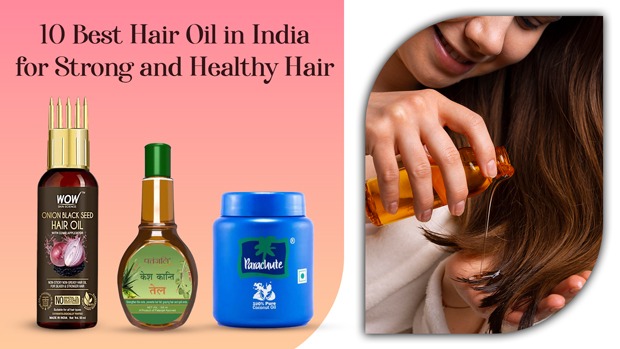
10 Best Hair Oil in India for Strong and Healthy Hair in 2025

Electronics
Best Smartwatches Under 5000 in 2025

Electronics
Best Laptops under 70000 in India in 2025

Electronics
The Ultimate Guide to the best Air Conditioners in India (2025)

Beauty & Grooming
Best Face-Wash for Men updated for 2025
Fashion & Lifestyle
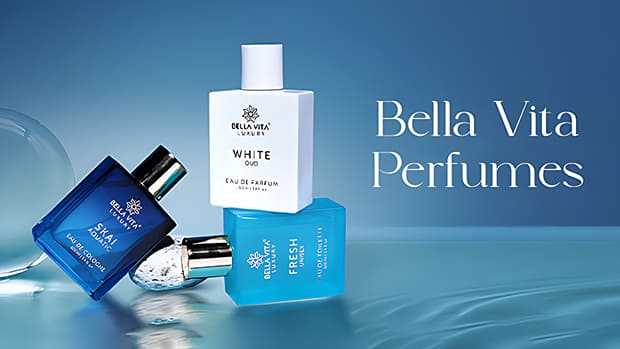
Bella Vita Perfumes: A Scent for Every Occasion

General
10 Best Telegram Loot Deal Channels for Exclusive Deals and Discounts in 2025
Beauty & Grooming
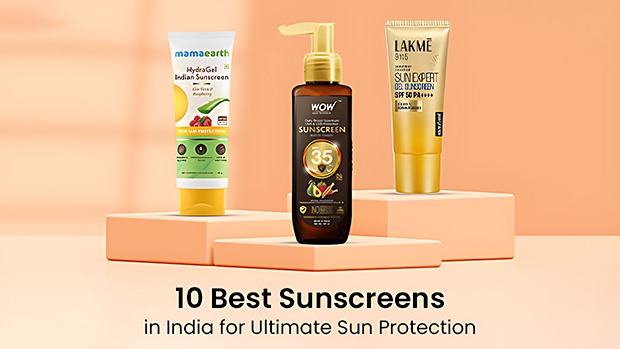
Best Sunscreens in India for Ultimate Sun Protection

Electronics
Beating the Heat with Top 10 Air Conditioner Brands in India

Electronics
Best Earbuds Under 3000: Top Budget Picks for Music, Calls & Gaming (Updated for 2025)

Electronics
Best Washing Machine in India with Features & Prices (Updated for 2025)

Electronics
Best Refrigerators in India: Top Picks for Every Home in 2025

Mobile
Best Mobile Brands in India: Top Choices Revealed for 2025

Electronics
Best Gaming Laptop Computer: Top Picks for 2025

Health & Supplements
Best Weight Gain Protein Supplements: The Ultimate Guide to Bulking Up Safely in 2025

Beauty & Grooming
Latest Mehndi Designs in 2025

General
Holi Celebration Ideas

General
The Ultimate Guide to Influencer Marketing

General
10 Best Coupon Apps: Unlock Incredible Savings in India

Electronics
Best Laptops under 50000

Mobile
Top 10 Best Phones Under 20000 for 2025

Health & Supplements
Top Vitamin Supplements for Men

Fashion & Lifestyle
Top 10 Best Indian Apparel Brands You Must Try
Beauty & Grooming
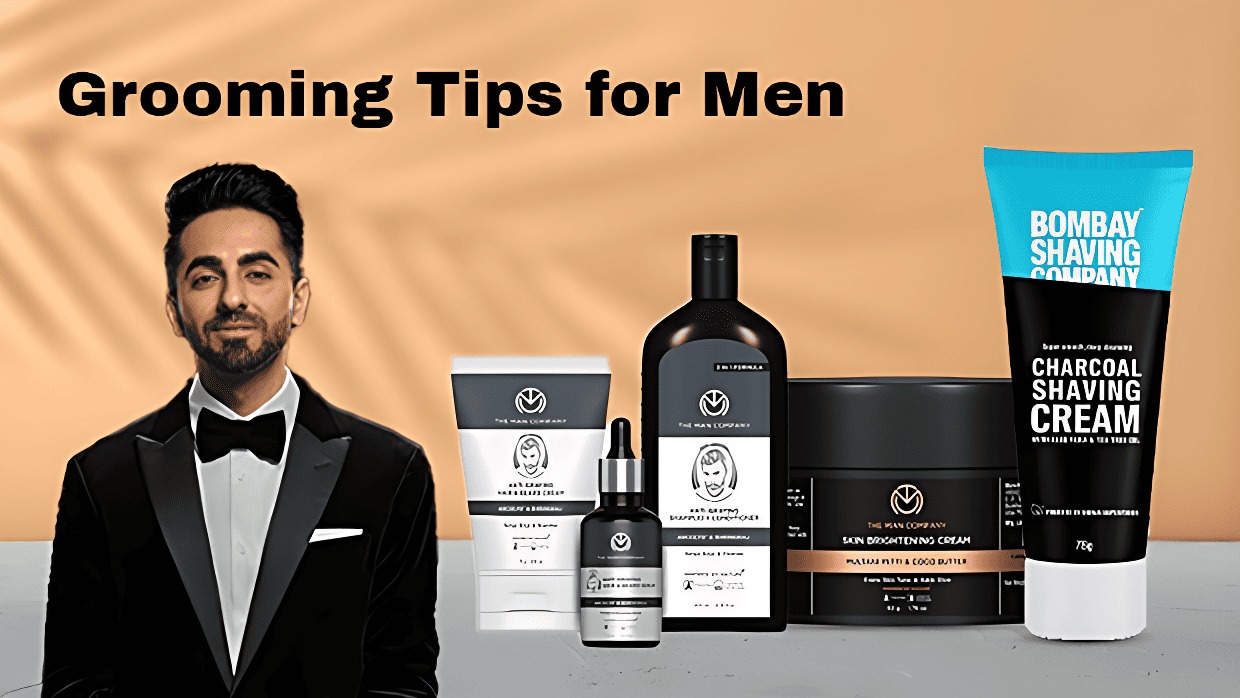
Grooming Tips for Men: Elevate Your Style Game

Subscription
Top 10 Cashback Apps in India to maximize your savings in 2025

Travel & Accessories
Essentials things for Every trip and Packing list

Fashion & Lifestyle
Types of Jeans for Men: Find Your Perfect Fit

Watches
Types of Watches : Timepieces for Every Style

Footwear
Best Sneaker Brands in India

Fashion & Lifestyle